There is a lot of noise in the room, but the real conversation is going on in the quiet corners. Three people are talking over each other at the birthday dinner about their recent trips, their projects, and their “crazy week at work.” People’s voices get louder, their hands wave, and someone interrupts someone who was already interrupting. A woman in a gray sweater sits at the other end of the table, stirring her drink and watching. She hardly speaks. You might think she’s shy, bored, or even a little lost.
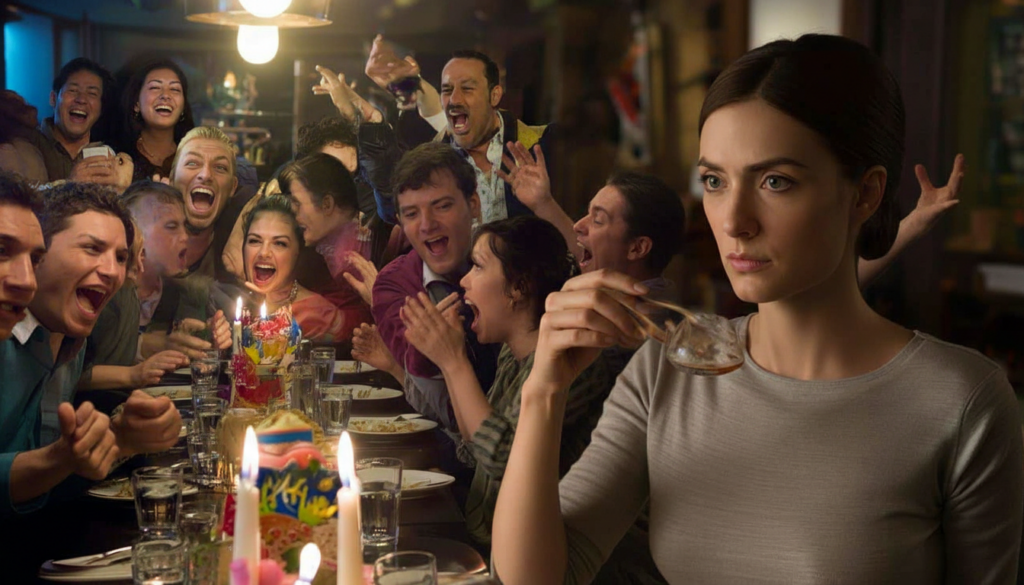
No, she’s not. She is gathering information.
Her eyes flicker every time someone laughs too hard, looks at their phone, or touches their face. She keeps track of who talks big when the boss is around, who looks down when money comes up, and who makes jokes that no one really finds funny. She knows more about everyone than they do by the time dessert comes.

You know her. You could even be her.
The people who are quiet aren’t zoning out; they’re zooming in.
People often get the first thing wrong about quiet people: they think they’re passive. They aren’t checked out; they’re tuned in. The quiet person is looking for patterns while the rest of the group rides the rollercoaster of their own stories. Who copies the body language of whom? When a certain name comes up, who leans in? When the subject changes, this person suddenly talks faster.
This is what psychologists call “social monitoring.” The brain looks for signs to stay safe, fit in, or get ahead. Some people do it lightly. Others, especially those who are more introverted or anxious, run this scan in high definition. They have more bandwidth to notice when they use fewer words.
Have a meeting at work. The person with the loudest voice on the call jumps in first and fills every silence. They “own the room.” It’s easier for coworkers to nod than to wrestle the mic back. The quiet analyst watches from behind the scenes. She can hear not only what is said, but also what is not said. She can tell who unmutes and remutes, who shifts in their chair when deadlines come up, and who smiles politely while their jaw tightens.
The person who talked leaves the meeting thinking, “I nailed it.” The quiet person leaves with the thought, “Marketing is stressed, Finance is hiding something, and the manager is betting on Q4.” Different things happened at the same time. The person who is talking remembers the applause. The observer remembers things.
This happens for a simple reason. Talking uses up mental energy. When we talk, we have to think about what we say, how we look, how we sound, and how other people will react. We are torn between “What should I say next?” and “How do I sound?” That means you have less energy to keep an eye on everyone else.
People who talk less change this equation. Because they’re not in a hurry to perform, their minds can pick up on small changes in tone, micro-expressions, and small pauses. This skill becomes very strong and almost invisible over time: being able to read the room without having to be in charge of it. *For them, silence isn’t empty; it’s full of information.
How quiet observers are doing a live psychological scan
To understand what the quiet ones see, start by not trying to fill every pause. Give a silence three more seconds than you want to. That’s when people usually say something true. They’ll explain something, fix a mistake, or say what they really meant.
While they do that, look at their face instead of what they say. When they talk about their partner, look into their eyes. When they talk about work, pay attention to their shoulders. Look at who looks to the side before answering a direct question. This is the kind of raw data that quiet people collect without even realizing it. It’s not magic. It’s being patient.
Without anyone saying it, most of us were taught to be afraid of silence. At school, at parties, on dates, and on the phone. We jump in, fill the air with filler words, and miss the chance to see what’s going on under the conversation. We’ve all had that feeling when you leave a meeting and think, “Something was off,” but you don’t know why.
The quiet person who is watching can usually tell you. They saw the stress in the jaw, the little eye roll, and how two people stopped looking at each other after one comment. To be honest, no one does this every day. Life is busy, and paying close attention takes a lot of energy. But people who don’t talk as much naturally fall into this mode because they don’t have to fight for air time.
A clinical psychologist I talked to last year said, “People who talk less aren’t always shy or uninterested.” “They’re often thinking about it.” Their brains are sorting and linking what they see now to what they’ve seen before. “Outwardly quiet can mean very loud inside.”

Over time, quiet observers tend to build a mental map of people. They see:
- Who changes their personality depending on who is in the room
- Who makes fun of themselves when they’re really hurting?
- Who asks questions and who never does
- Who listens with their whole body and who waits to speak
- Who quietly looks out for everyone and then says they’re “fine”
Every observation is small. When put together, they make a surprisingly accurate picture of how people move around.
What the loud ones don’t get, and how to use the quiet person’s superpower
To see what quiet observers see, you don’t have to change who you are. You can keep talking and still work on what psychologists call “perspective-taking.” Choose one person in your next social setting and act like you’re watching a documentary about them. Think about what a narrator would say about this person’s mood, posture, or energy if they were telling the story.
This easy mental game takes your mind off of how well you’re doing and focuses it on the bigger picture. You start to notice the friend who always plans get-togethers but looks tired when everyone gets there. Or the coworker who makes jokes all the time but looks at the door every time someone else comes in. People become more human the more you notice them.
A common mistake, especially if you think of yourself as “the loud one,” is to feel attacked by this idea. As if being talkative automatically means you’re dumb or shallow. That’s not the point. Being able to express yourself is a gift. You make things more fun, you get people talking, and you make things more fun. You can only see the blind spot if you never step back from that role.
The quiet person’s superpower isn’t being quiet. It’s the break. They have spaces in them where they can ask, “What’s really going on here?” You can take that habit in small amounts. Before you go into a room, think about who might need help that day. When you leave, ask yourself, “What did I notice about other people, not just about myself?” Little questions, big changes.
A family therapist once told me, “Observation is not about judging people.” “It’s about knowing what situation they’re in.” People who are quiet often protect themselves from chaos by being able to see it clearly. People who talk a lot often protect themselves from pain by talking over it.
- When you borrow the observer’s point of view, be nice. Use it to:
- Find the person who seems to be left out and gently bring them in.
- Pay attention to when someone says “I’m fine” but their body language says otherwise.
- Find out what topics get people excited so you can go deeper.
- When you feel insecure or too sure of yourself, pay attention to your own patterns.
- Choose when to step back so that others can step up.
The point isn’t to make every conversation a diagnosis. It’s to walk through rooms with your eyes open.
The quiet look that makes you question everything you thought you knew about people
It’s hard to stop seeing the world this way once you start. You see that the coworker you called “cold” is just looking around the room to make sure everything is safe. You thought your friend was “self-absorbed,” but they actually talk too much because they are afraid of being alone. The partner who “never says much” is quietly keeping track of every change in your mood and changing their behavior to match it.
You might even learn something uncomfortable about yourself. That the stories you tell the most are sometimes the ones you want people to believe about you. That your volume goes up when your confidence goes down. That the person who talks the least in your life might know you the best.
This gives me a strange sense of relief. You don’t have to be in charge to get it. You don’t have to be the smartest, funniest, or most impressive person in the room. You can let other people deal with the noise while you find out what’s true. If you’re usually the loud one, you can start using silence as a tool instead of a threat.
When you’re at a meeting, dinner, or family gathering, try this: talk like you always do, then give the floor away on purpose and just watch for five minutes. Pay attention to who moves around in that space. When you stop filling the air, pay attention to what rises. A quiet person is already doing this at the edge of the room, and they are also quietly figuring out what you’re doing.
| Key point | Detail | Value for the reader |
|---|---|---|
| Quiet people are active observers | They engage in constant “social monitoring,” tracking micro-cues others miss | Helps you understand why the silent ones often sense tension, lies, or attraction first |
| Talking a lot reduces observational bandwidth | Verbal performance uses mental energy that could go to reading the room | Invites you to balance expression with moments of intentional silence |
| You can borrow the quiet person’s superpower | Simple habits like longer pauses and perspective-taking sharpen your perception | Improves relationships, decision-making, and emotional intelligence in daily life |