You notice them instantly at 8:42 a.m. on the pavement. Heads slightly forward, earbuds in, bags knocking against their sides, they slice through crowds of tourists and parents with strollers like they’re clearing a level in a game. Their pace is sharp, almost urgent. It doesn’t even look like they’re heading somewhere specific. It feels like they’re outrunning something invisible.
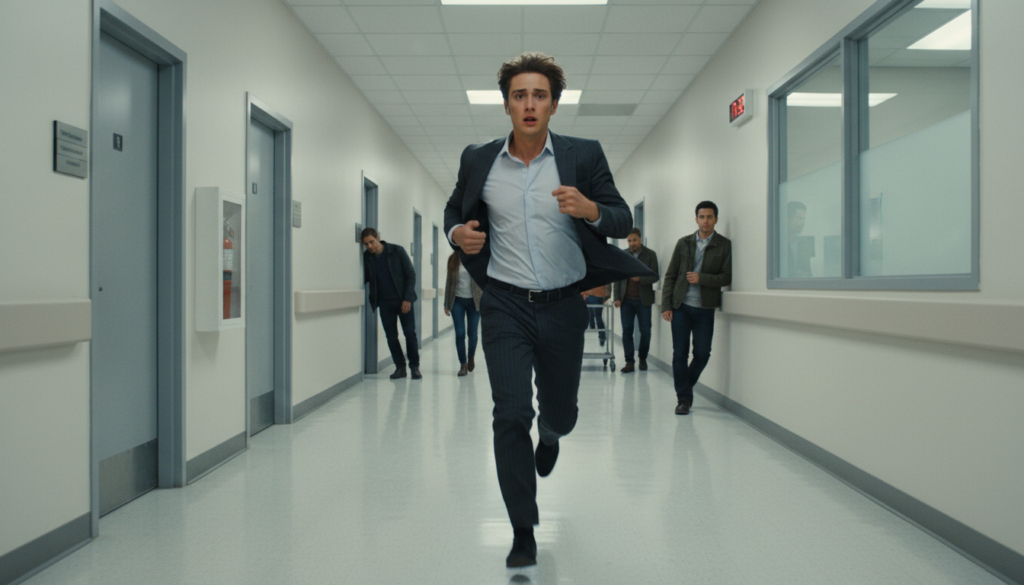
Why Fast Walkers Look Fit but Feel Rushed Inside
Every city has them. While some people stroll with coffee in hand, others move with arms pumping and heels striking hard, like a metronome set too fast. They give off an aura of discipline. Organized. Productive. The kind of people who meal-prep and answer emails before 9 a.m.
We tend to admire that pace.

Look closer, though, and another story appears. A clenched jaw. Shoulders hovering near the ears. Eyes fixed far ahead, rarely softening. The body may look athletic, but the nervous system often looks braced.
I once worked with someone like that. Everyone called her energetic. She couldn’t walk slowly unless she was unwell. During calls she paced. In meetings her foot bounced. On the way to the train she pulled everyone into her tempo. One morning she admitted that she wakes up with her heart racing, mentally rehearsing worst-case scenarios. “If I slow down,” she told me at a crossing, “my thoughts catch up.”
She wasn’t training for endurance.
Yes, research links faster walking speeds with longevity. But those studies don’t always distinguish between physical strength and internal tension. You can have strong legs and an overstimulated nervous system at the same time.
How to Know If Your Pace Is Stress, Not Stamina
Try something simple. The next time you’re walking alone, cut your speed in half for sixty seconds. Don’t change direction. Just change tempo. Notice your chest, your jaw, your stomach. If your mind immediately protests — “Hurry up!” that’s not your muscles complaining. That’s your nervous system resisting calm.
You can take it further. Walk once without your usual armor: no podcast, no scrolling, no mental checklist. Just footsteps and breathing. It can feel strangely exposed.
Many habitual fast walkers describe the same pattern. They rush to work, climb stairs two at a time, toggle between apps constantly, drink coffee quickly, reply to messages mid-crosswalk. They rarely pause. At night they crash, scroll again, and wake up exhausted.
One woman timed her walk to the grocery store. Ten minutes became eight, then seven. She felt proud. Later she realized she had lived on that street for years and never once noticed the sky.
Speed had reduced her world to deadlines and obstacles.
Often there’s history underneath the hurry. Growing up with strict rules, unpredictable environments, or constant tension can teach a child that moving fast equals staying safe. The nervous system memorizes urgency as baseline. Slowness then feels risky.
As adults, that pattern continues. Overbook. Overmove. Overschedule. Silence feels uncomfortable. Stress leaks out as migraines, tight shoulders, insomnia or simply relentless speed.
Relearning a Healthier Pace Without Feeling Lazy
You don’t need to reinvent your personality. Start small. Try what I call an “arrival breath.” Every time you step through a doorway or reach a corner, take one slow inhale and one slow exhale. Keep walking. Just insert a micro-pause.
After a few days, add thirty seconds of slower walking to one familiar route. Let your shoulders drop. Let your arms swing naturally. No dramatic transformation. Just a small experiment.
The trap is turning this into another performance. Fast walkers often make “slowing down” a self-improvement project and then criticize themselves when they speed up again. That only adds pressure.

Instead, get curious. What triggered the rush? An email? A memory? A conversation? Curiosity calms the nervous system more effectively than guilt ever will.
You don’t need to drift through life in slow motion. You simply want your body to know that movement doesn’t always mean threat. Sometimes the bravest act is letting someone else pass you on the sidewalk — and tolerating the discomfort that follows.
When Slowing Down Becomes a Quiet Act of Self-Respect
Our culture praises speed. Busy equals important. Productive equals valuable. A fast walk becomes visual proof that you are in control.
But beneath that rhythm, there may be a nervous system that never learned how to rest without guilt. A life lived in constant anticipation. A body that equates stillness with vulnerability.
Slowing your walk isn’t just about physical health. It’s a subtle refusal of the belief that your worth depends on how fast you move. You don’t have to cross every street like you’re being timed. You don’t need to earn calm through exhaustion.
Questions and Answers:
Question 1: Does walking fast automatically mean I’m anxious?
Not necessarily. Some people simply have a naturally brisk pace. The key difference is how your body feels when you try to slow down.
Question 2: Can I be a fast walker and still be genuinely healthy?
Yes. Physical fitness and walking speed can absolutely align with good health. The concern is chronic internal tension, not speed itself.
Question 3: How can I slow down without feeling unproductive?
Start with tiny pauses rather than dramatic changes. Micro-breaks help your nervous system adjust without disrupting your day.
Question 4: What if my job requires constant urgency?
You may not control your workload, but you can insert brief regulation moments — like slower breaths between tasks.
Question 5: Could walking more slowly improve my mental health?
For many people, yes. Reducing physical urgency can signal safety to the nervous system, which may lower overall stress levels.