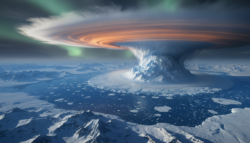
No one noticed that the sun was getting smaller at first.
People on the sidewalk looked at their phones, cars went through the intersection, and the buildings were bathed in the usual flat, ordinary light of mid-morning. Then someone looked up, squinted, and pointed. There was a missing sliver. Someone else said, half-jokingly, “Is this the end of the world?” and suddenly everyone stopped talking, turned their heads, and the city stopped breathing.
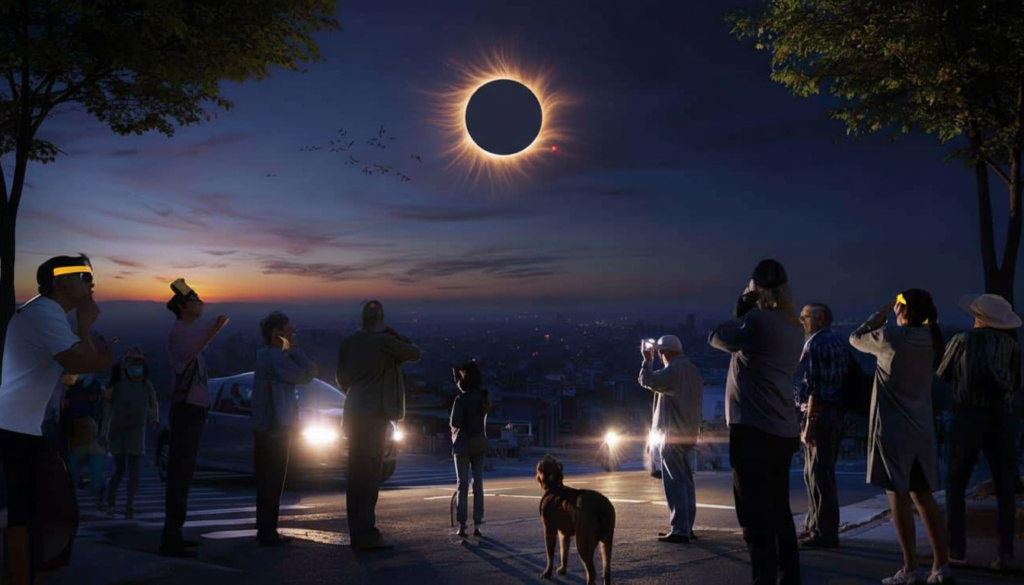
In just a few minutes, the light outside started to feel wrong. More sharp. It’s colder. Shadows went a little bit double, like a bug in a video game. The barking of stray dogs stopped. The birds got antsy. At 10 a.m., the store lights came on for no good reason other than instinct.
Six minutes.
This time, that’s how long the sun will be gone.
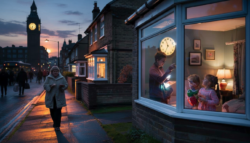
The day the sky decides to turn off
A total solar eclipse is so rare that it can change the course of a day. This one is not the same. Astronomers are quietly talking about what they call the “longest eclipse of the century,” which lasts almost six minutes in some places. That’s not just a quick gasp of darkness. It’s time to look around, feel your skin get cold, and ask yourself why the hair on your arms is standing up.
In the middle of the day, streetlights will start to flicker. The temperature can drop by a few degrees. People who said they “don’t care about space stuff” will end up standing outside, looking up, and forgetting about the meeting they were supposed to be at.
The sky will own every conversation on Earth for a little while.
Talk to anyone who saw the 2017 eclipse in the US, the 1999 eclipse in Europe, or the 2024 eclipse that went across North America. They’ll tell you about the strange silence. Windows in office buildings opened. Kids on school playgrounds gasped. In a small town in Kentucky, traffic came to a halt on the interstate as people got out of their cars and shared eclipse glasses like they were front-row tickets.
The science was the same then: the moon moved perfectly in front of the sun, and the corona flared up around it like a ghostly crown. But people remember how they felt first. The feeling of something stuck in your throat. The way birds flew into trees like it was sunset. The sudden, unreasonable fear that the light might not come back.
We’ve all been there, when the world you know starts to go a little off and all your senses wake up.
This eclipse will feel very long and very deep for a simple reason. The moon will be almost the right size in our sky, and its shadow will move across the Earth at just the right distance and angle. That shape gives us a few extra minutes. Not seconds, but minutes. Enough for your brain to ignore the “cool science event” label and go back to something older and more basic.
People used to be scared of eclipses. We have equations, simulations, and cool YouTube videos today. Even so, when the stars come out in the middle of the day and the sun goes down, logic takes a step back.
The truth is that no number, graph, or perfect infographic can prepare you for what the sky looks like when there is a black hole where the sun should be.
How to really live those six minutes, not just film them
The first step is very easy: choose a place to be. Everything is totality. If you’re just outside the path, you’ll see a dim, creepy partial eclipse instead of the full, jaw-dropping plunge into night. Get a map of the path, draw a circle around the closest point of totality, and plan like you would for a concert you really want to see.
Don’t worry about being perfect; think about logistics. Is there a way to get there without a ten-hour traffic jam? Is there a field, a roof, or a parking lot where you can see the sky clearly? Choose a place, have a backup, and write down the exact times for when partial coverage and totality will start.
You should get there well before the drama starts, not just as the last bit of sun goes down.
Next is the equipment. For the partial phases, you must wear eclipse glasses with certified solar filters. Normal sunglasses don’t help. Telescopes are just as likely to get hurt as phone cameras and naked eyes. You can only safely look without protection during totality, when the sun is completely covered and the corona is visible. The glasses go back on as soon as the sun comes out.
A lot of people miss the best times because they’re too busy taking pictures. To be honest, no one really does this every day. So get your camera or phone ready ahead of time, test it, and then accept that the video you bring home will probably be shaky and too bright. That’s okay. Your body’s memory will be better than anything your lens can see.
The best picture you can take is of how you feel when the world goes dark at noon.
There’s also the emotional side, which is something that doesn’t get planned very often. During totality, some people cry. Some people laugh out loud. Some people don’t move at all, as if they’re scared to break the spell. You might want to watch this with people who understand, or at least won’t roll their eyes when you say “wow” twelve times in a row.
These six minutes are non-negotiable for experienced eclipse chasers. One of them said to me, “You think you’re going for the astronomy.” You stay because you feel like the universe just leaned in and said, “Hey.” It’s okay that you’re small.
- Get there early enough to see the light change, not just the dark.
- No phone or camera for at least one minute of totality.
- Look at the shadows on the ground; they turn into thousands of little crescents.
- When the sky shuts down, birds, bugs, and even traffic sound different.
- After that, write two lines about how you felt before you look at social media.
- What do we do with that feeling when the sun comes back?
Life will quickly try to get back to normal once the moon’s shadow has passed and the sun rises again. Horns will sound. Slack pings will pop back up on screens. Someone will say, “Well, that was overrated,” and then ask where lunch is. But if you stop for just one beat, you might notice that the world looks a little different, like the furniture in a room you know has been moved by a few inches.
There have always been mirrors in eclipses. They don’t change our lives; they just take away the background noise for a few minutes and show us how fragile our routines are compared to the sky. You might look at your calendar, your deadlines, and the fight you had yesterday in a different way now that you know what you know. Or you could just put the memory next to a few other strange days when the world stopped acting like it was normal.
Six minutes of darkness won’t make things better. They won’t help you with your inbox, your rent, or your personal problems. But they can help you remember where you were: “I was here, on this planet, when day turned into night and then came back.” People might chase these events across continents for that reason. Not for the perfect picture, not even for the science, but for the rare chance to be fully present in a sky that is doing something very strange.
When your phone buzzes with the next alert telling you to “get ready for the longest eclipse of the century,” you’ll have a choice. Just swipe it away like any other notification. Or think of it as an invitation to go outside, lean back, and take six minutes from a universe that doesn’t usually stop for anyone.
| Key point | Detail | Value for the reader |
|---|---|---|
| Path of totality matters | You need to be under the moon’s central shadow to experience full darkness | Maximizes the chance to witness the rare six-minute “day into night” effect |
| Safety before spectacle | Only certified solar filters protect eyes and devices during partial phases | Lets you enjoy the show without risking permanent eye damage |
| Prepare to feel something | The mix of darkness, silence, and shared awe often triggers strong emotions | Encourages you to treat the eclipse as a lived moment, not just content to capture |