A psychology graduate student sits in a small lab cubicle on a rainy Tuesday in October, looking at a slideshow of random shapes and faces that don’t seem to have any feelings. She says she remembers a man in a blue shirt who smiled, but he never really showed up. What happened? The only thing was the story she had been told about what “really” mattered in the experiment. The goal, the stakes, and the little push to pay attention to the right things. What made her do it.
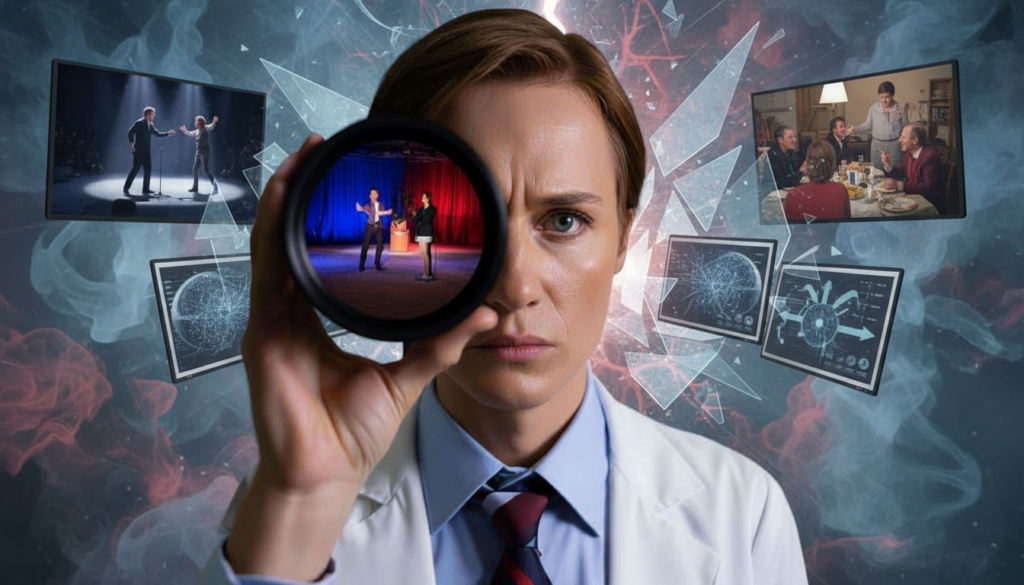
This is the quiet place where memory stops being a simple record and becomes something more complicated, personal, and political.
And right now, that mess is turning into a new culture war in psychology.

When motivation changes the past like a camera lens
A lot of us grew up with the comforting thought that our memories are like a mental hard drive. You save experiences and then watch them again later. Neat. Not taking sides. More or less objective. But the more researchers push this idea, the more it falls apart.
A sharper, more unsettling picture is filling the space. Our goals, fears, and identities act like a camera lens, changing the way things look when they are first taken. Motivation doesn’t just change memories. It can shape them.
Some scientists are scared by that. It makes some people happy.
One of the most interesting examples comes from research on “motivated memory” of political events. Several labs asked people to remember news headlines and important events from the 2016 U.S. election months later. Republicans and Democrats didn’t just disagree on what those times meant. They had different memories.
Same arguments. The same scandals. Different mental movie reels.
Researchers found a pattern when they checked for accuracy. People were much more likely to remember things that made their side look good and forget or “lose” things that made the other side look good. It wasn’t lying on purpose. It was deeper, as if the mind had quietly cut the video long before anyone hit replay.
Psychologists are now debating what this actually means. One group says that motivation is like a “priority filter“: we only remember things that seem useful for our goals, which can be anything from survival to social status. Some people say it goes even further and that our goals can change the way memories are made at the chemical level.
Those aren’t just arguments in the lab. When eyewitnesses disagree, they spill into the courtroom; when people question childhood memories, they spill into therapy; and when each tribe claims its version of history is the real one, they spill into politics. **If motivation can change what we remember, who gets to decide which memories are true?**
That question is changing the way people do things and their jobs.
How to tell when your own lens is changing the story
Researchers are quietly teaching their own students a small, useful thing: say out loud why you want to “save” a memory. It sounds simple, even stupid. After a heated argument or a big news story, you take a minute to write down, “What do I most want to be true about this?”

You might be surprised by what comes out. You might have wanted to be the one who made sense in the argument. You might have needed your side to be the smart one. Maybe you just wanted to be safe.
When that motive is on the page, the memory changes. Not as holy. More open to negotiation.
People who do this exercise a lot often notice something strange on the second or third try. They remember the same argument, but it makes them feel different depending on the day. On Monday, they are sure that the other person yelled first. They aren’t so sure on Friday after a calmer week. The lens is moving, which causes that wobble.
We’ve all been in that situation where a friend tells you the story of “what happened” and you don’t even recognise yourself in it. They might not be telling the truth. They’re just protecting a part of themselves that they can live with.
To be honest, no one really does this every day.
Therapists who help people who have been through trauma are in the middle of this culture war. Some people say that by getting people to look at the past in new ways, they are “implanting” memories. Some people say that healing needs a new story, a new way to see things, and a new way to remember.
“Memory is not a file you access. You are still writing the story, and the pen in your hand is what drives you right now.
Before you remember something
Stop and ask yourself, “What result do I secretly want this memory to help?”
When there are arguments about “what really happened”
First, talk about the facts that everyone agrees on, and then slowly look into the different reasons behind the actions.
When you read headlines or threads that go viral
Pay attention to which version of events makes you feel better about yourself. That’s usually where your lens is thickest.
In writing in a journal
Write about the same event twice: once as the hero and once as the villain. Then sit with the pain.
If someone remembers something differently than you do, don’t say, “Why are they lying?” Instead, ask, “What would they need this story to protect?”
A quiet change in the way we talk about reality
The more this research goes, the more it clashes with our public arguments about what is true. One side of psychology is very strict about objectivity and wants more strict tests and better tools to tell the difference between “real” memories and memories that are motivated. Another side leans into the mess, saying that people make meaning, not cameras, and that trying to take away motivation is like telling someone to breathe without lungs.
This isn’t just a matter of tech. It affects how we talk about “lived experience,” cancel culture, fake news, and who gets to tell the official story of a movement or a trauma. *When both sides have memories that aren’t accurate, facts alone don’t usually settle the fight.
What could happen if we all started by admitting that our pasts are shaped by what we need to feel safe, right, or good today? Would arguments be less heated if people could say, “This is how I remember it, and this is how that memory makes me feel”? Or would being honest make us trust each other even less? The study is not done yet. The culture war isn’t over either. And you still have the lens.
Important pointDetail:
| What the Reader Gets Out of It | Detail |
|---|---|
| Memory is shaped by motivation | Goals, fears, and identity shape memory—helps explain why people remember the same event differently |
| “Memory wars” cause fights | Political arguments, family fights, and online outrage arise from differing, motivated memories—helps calm fights by focusing on motives |
| Self-checks that are easy to do change the story | Naming what you want to believe about an event can reveal your own bias—provides a habit to keep your “lens” clearer and judgments softer |
Question 1: Does this mean I can’t trust any of my memories?
Answer 1
Your memories are not useless. They’re just not recordings that are completely objective. When the stakes are high, treat them like working drafts instead of legal documents and check important events with other people, notes, or messages.
Question 2: Are some people more likely to have motivated memory than others?
Answer 2
Yes. People who are very partisan, very anxious, or whose identity is closely tied to a belief tend to show more distortion. But no one is safe. Even people who are calm and analytical use motivation as a subtle filter.
Question 3: Is it possible for me to train myself to remember things more accurately?
Answer 3
You can’t turn off motivation, but you can make it a habit by writing in a journal soon after events, checking your motives, and being open to other people’s contradictory information. That makes your memory less rigid and more in line with reality over time.
Question 4: How does this change politics, social media, and the news?
Response 4
When platforms reward content that makes people angry or identifies with them, they make memories stronger. People tell stories that “feel true” for their side, even if the facts are wrong. Recognising that impulse is the first line of defence against being drawn into echo chambers.
Question 5: What should I do when my memory and someone else’s memory don’t match up at all?
Answer 5
Begin by recognising that you both might be looking at the past in different ways. Ask each other what you needed at that moment: safety, respect, victory, or a sense of belonging. Then find outside anchors, like texts, dates, and accounts from other people, without making it sound like a courtroom drama.