The first cold snap always brings out the quiet drama in our gardens. The lawn is full of flapping wings and quick fights over crumbs one day, and the next, everything looks frozen. Birds puff themselves up like tiny feathered tennis balls and hold on to a bare branch with their eyes half-closed. They burn energy just to stay alive until dawn.
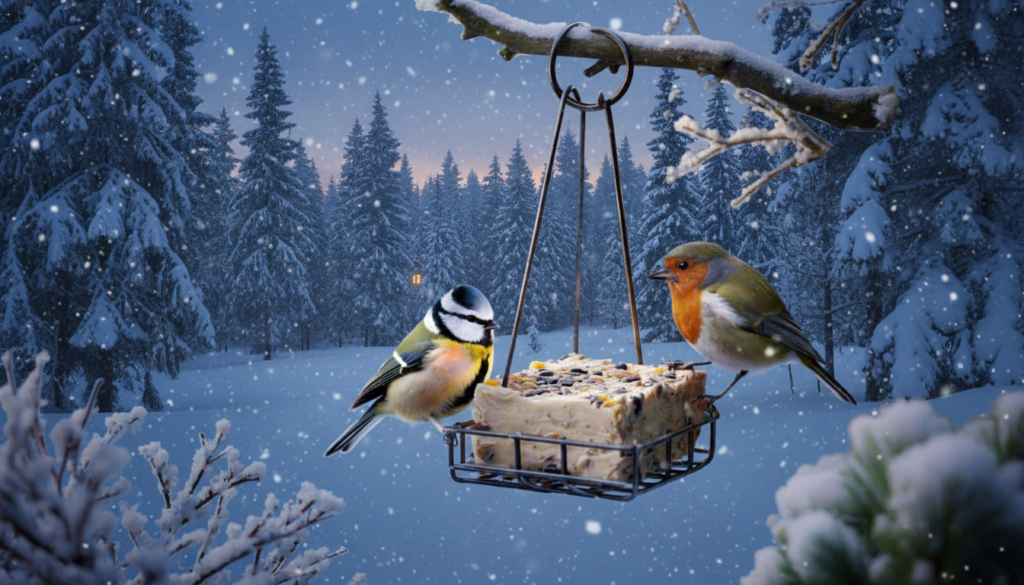
You see a robin hop under the feeder, scratch around, and then fly away again with an empty beak. There’s food out there, but not the kind that really matters when the temperature drops.
Some nights, what’s in that little stomach is all that matters.

The one food that really keeps birds warm at night
If you ask a serious bird rehabilitator what helps a small bird survive a night when the temperature is minus five, they will probably say fat. Not fancy gourmet mixes or seed bells that look like cute things, just dense, high-energy fat. That’s the only food that really helps birds stay warm and full of energy when it’s really cold.
They are always filling up a small fuel tank during the day. That tank has to last 12 to 14 hours of darkness and cold at night. Their body burns through muscle and reserves when they don’t get enough fat. When you eat fat, your body goes into a quiet, controlled burn that keeps tiny hearts going until morning.
If you watch your feeder in the late afternoon, you’ll see the “pre-night rush.” Blue tits come in quick bursts, grab a piece of suet, and then fly off to a branch where they can hide. A great tit will hang upside down from a fat ball and tear off piece after piece, stuffing its crop before the light goes out.
Scientists have found out how very thin that margin is. A blue tit, which is a small songbird, can lose up to 10% of its body weight in one night in the winter. It only takes a few grams of fat eaten in the last hour of light to make the difference between waking up and not waking up.
They can get the cleanest and most concentrated fuel from fat. It gives you more than twice as much energy per gram as carbohydrates or protein. Seeds are good, and fruit is tasty, but when the air cuts through feathers, those calories don’t last long.
The bird’s body is like a small furnace with a roof that leaks a lot. The thin skin around the eyes, legs, feet, and beaks lets heat out quickly. Fat keeps that furnace going for hours. That’s why suet, lard, and high-fat seed mixes are more like emergency heating for animals on the coldest nights than treats.
How to feed fat the right way (and not make common winter mistakes)
Think like a petrol station owner if you want to really help birds get through the cold nights. Give fat in easy-to-get forms like suet blocks, fat balls without netting, and homemade lard cakes full of seeds. Hang them near bushes or hedges so birds can grab them and run away. Don’t leave them out in the open where they can be seen.
Late afternoon is the best time to restock. That’s when their instincts kick in the most, and they eat as many calories as they can before dark. A new suet block at 3 or 4 p.m. is like a last-minute blanket you quietly put around their shoulders.
A lot of the time, we start out with good intentions and then lose our way. One week the feeder is full, and the next week it is empty. Let’s be honest: no one really cleans feeders every day. But if you make a few small changes, your winter help won’t become a problem.
Change out the plastic netted fat balls for solid holders so that small claws don’t get stuck. Stay away from bacon fat or seasoned cooking grease that is salty; it puts stress on their kidneys and makes them dehydrated. And watch out for cheap mixes that are mostly wheat and other things. They fill crops, not energy stores, so birds look busy but go to bed with only half a tank.

“I used to throw away old toast and feel like I had done my part,” says Claire, who lives in a flat in London and started feeding birds seriously during lockdown. “Then, during a week of brutally cold weather, I switched to suet. Right away, there was a difference. Every day, the same birds came back, but they looked less frantic and more… steady. I felt like I had gone from snacks to food I needed to live.
The Best Sources of Fat for Birds
To keep your feathered friends healthy, provide them with high-quality fats. Opt for blocks of plain suet, suet pellets, and lard mixed with seeds or oats. You can also offer high-fat seed cakes as an excellent source of energy during cold weather.
Foods to Avoid
Some foods can be harmful to birds. Avoid giving them salty, smoked, or seasoned fats, as well as melted or runny grease. Mouldy bread, chocolate, and anything containing sugar should also be kept away from their feeders.
Where to Place the Feeders
Position bird feeders in quiet spots with natural cover, like near hedges, shrubs, or small trees. It’s important to place them at varying heights and in locations that are away from busy windows or areas where cats may lurk.
Feeding During Winter
In winter, it’s vital to feed birds consistently. Add extra food in the morning and again in the late afternoon, ensuring that the birds go to bed with a full stomach. If you only make one change this winter, replace one seed-only feeder with a high-quality suet feeder for better results.
What Happens When You Give Birds “Night Fuel”?
Providing birds with nutritious “night fuel” ensures that they have enough energy to endure the cold winter nights. This extra food helps them stay warm and thrive through challenging conditions, making it essential for their well-being.
Bird Feeding Guide
| Feed Type | Best for | Time to Feed |
|---|---|---|
| Plain Suet | High-energy source | Morning and late afternoon |
| Suet Pellets | Small and medium birds | Consistent feeding during winter |
| Lard mixed with seeds or oats | All bird types | Best for winter months |
| High-fat Seed Cakes | Energy-rich food | Whenever birds need extra energy |
| Seed-only Feeders | Basic bird food | Remove and replace with suet feeders |
Your garden feels different when you start to focus on fat. You can see which birds only come out when it gets cold: long-tailed tits in groups, a shy wren that darts under the shrub, and that one robin that seems to own the whole area. They aren’t asking for luxury; they’re doing the maths to stay alive.
Your suet block isn’t just for show on the coldest nights. It’s part of an invisible chain that goes from your small piece of land to hedgerows, farmland, and city parks. It gives weak bodies just enough warmth to see the sky turn pale again. The gesture is small, but the impact is huge. You hang a feeder, refill it when your fingers hurt, and watch a blue tit fluff up and take one last bite at dusk.
And for a little while, your winter doesn’t feel so cold either.
Important pointDetail: What the reader gets out of it
Fat is the most important fuel for the winter.Birds stay warm during long, cold nights by eating suet, lard cakes, and high-fat mixes.You focus on the one food that really helps you stay alive instead of throwing away random scraps.
It matters when and where you do things.Fill up again in the late afternoon and put the feeders near cover so they are safe from predators and strong winds.Your feeding works better, bringing in more birds and keeping them calm and safe.
A few small mistakes can ruin everything you’ve worked for.Birds can get hurt by salty or seasoned fat, plastic netting, dirty feeders, and mixes that are too heavy on fillers.You stay away from common traps and turn your good intentions into real, long-term help for local animals.
Frequently Asked Questions:
Question 1What kind of fat do garden birds like best in the winter?
Plain suet, whether in blocks, pellets, or mixed with seeds and grains, is best. You can also mix unsalted, unseasoned lard with oats or birdseed. The most important thing is that it has a lot of energy, little salt, and no extra flavours.
Question 2: Is it okay to give birds leftover bacon grease or cooking fat?
It’s better not to. Meat fats that are cooked often have salt in them or are mixed with juices and spices. They can stay greasy on feathers and make it hard to digest. Instead, use clean, purpose-made bird suet or fresh, unsalted lard.
Question 3: How often should I put out fat when it’s very cold?
Every day during cold spells, especially in the early morning and late afternoon. Birds learn your schedule and will come by to eat before bed, when those extra calories are most important.
Question 4: Do birds stop looking for food and rely on fat feeders?
Wild birds still look for food on their own and use your feeder as a backup, especially when the weather is bad. Research shows that they stay flexible and opportunistic, switching between natural food and food that people give them.
Question 5: Is it okay to keep feeding fat into the spring?
As the weather gets warmer and insects come back, you can slowly cut back on heavy fat feeds. In the late spring and summer, switch to seeds and natural food support (water, plants, no pesticides) so adults can bring better food to their chicks.