More and more people in India are moving away from harsh chemical hair dyes and looking for gentler ways to deal with gray hair. Many people now prefer slow, natural-looking solutions that fit into their daily lives over sudden, dramatic color changes. This growing trend is all about making small changes that make hair healthier and more comfortable for the scalp. These methods don’t hide grays overnight; instead, they work slowly, making hair look deeper and richer over time while keeping its natural texture.
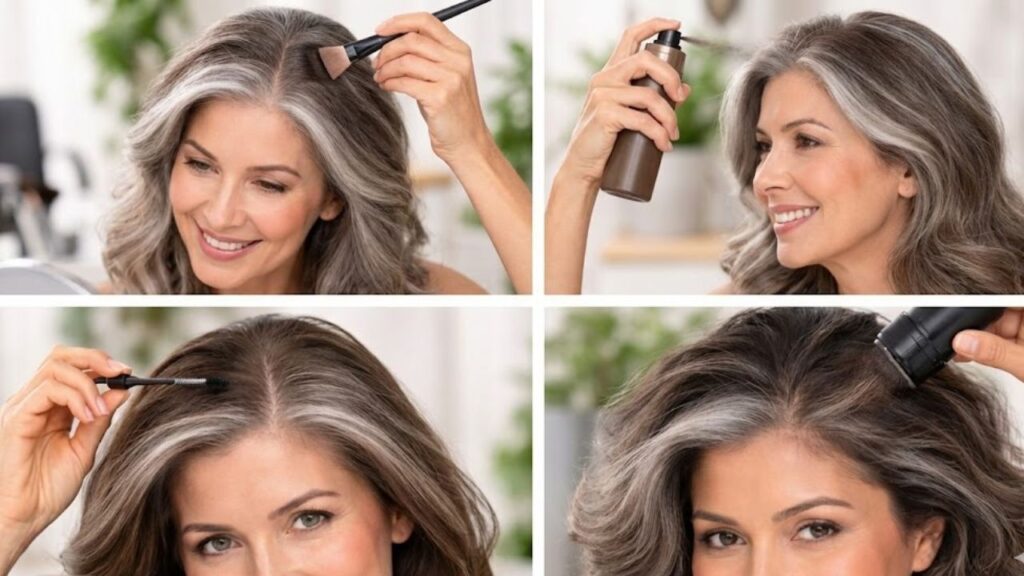
Say goodbye to hair dye for gray hair with a conditioner.
It’s easy to understand and follow the idea behind this trend. A regular conditioner has a natural darkening agent added to it, so you can use it every day to get the job done. People often use coffee or black tea to make a coffee-infused conditioner that adds a little color with each wash. This causes the greys to slowly mix together instead of changing color all at once. A lot of people like this soft gray-blending effect because it doesn’t completely cover the hair and lowers contrast. It is thought to be a more chemical-free method because it doesn’t use ammonia, peroxide, or other strong chemicals.
How Grey Hair Conditioner Add-Ins Work in a Natural Way
These natural add-ins have plant-based pigments that coat the hair lightly instead of getting deep into the strands. Over time, the hair builds up a natural pigment layer that makes the colors that are already there look better. When you add a weekly conditioning routine, it becomes easy to keep up with without adding any extra steps. Many users also notice that their hair is softer and shinier because the conditioning ingredients help smooth the hair cuticle. This option doesn’t require a long-term commitment, so you can stop at any time if you’re not sure about permanent coloring.

Why conditioner add-ins are good for people with gray hair
This method works well with everyday life, especially for people who like things to be simple and comfortable. It doesn’t have harsh chemicals, so it’s often better for sensitive scalps and less likely to make them dry or irritated. It also works well as a cheap way to take care of your hair because it uses things you probably already have at home. Because the color fades on its own, there is no harsh regrowth line. Another good thing is that you can change the intensity by changing how often or how long you use the conditioner.

Is it worth it to try gradually coloring your gray hair?
If you’re thinking about switching to full-coverage dyes, this method can help you accept your natural greys while also making your overall look better. The results are small, which is good for people who want a routine with little risk. It’s important to be patient because using the same thing over and over is more important than mixing strong things. It’s also important to have realistic expectations because the results will be different for each person based on their hair type and natural color depth. For a lot of people, this slow method is a good way to take care of gray hair without having to make a big commitment.
| Comparison Aspect | Conditioner-Based Colour Method | Conventional Hair Colour |
|---|---|---|
| Colour Development | Builds up slowly over repeated use | Delivers instant, noticeable results |
| Effect on Scalp | Gentle and usually irritation-free | May cause dryness or sensitivity |
| Upkeep Routine | Maintained through normal conditioning | Needs regular root and colour touch-ups |
| Overall Cost | Budget-friendly option | More expensive over time |
| Colour Fading Style | Fades softly with a natural look | Clear regrowth lines appear |