The new study shows that the story is a lot more complicated.
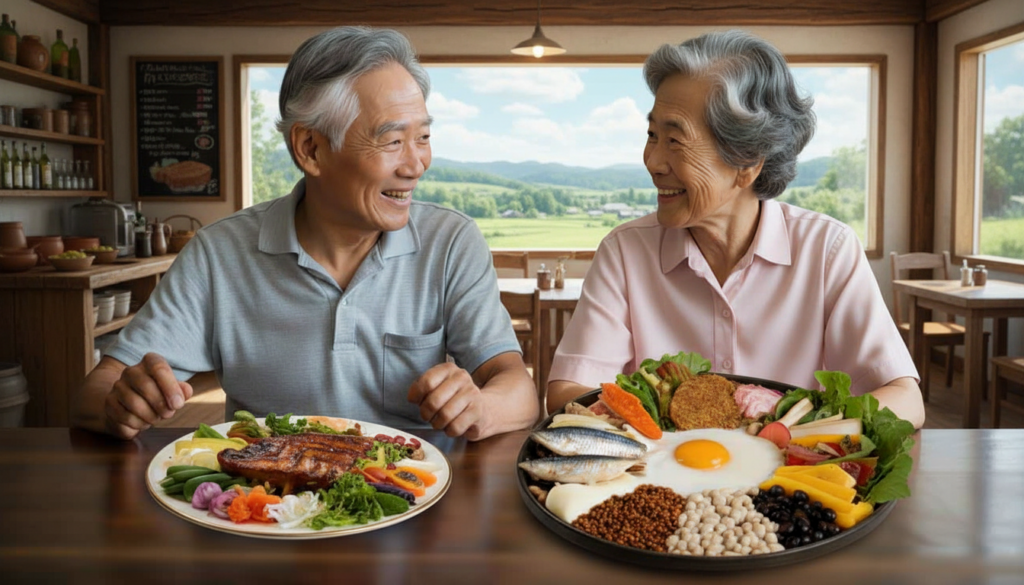
A large study of very old people found that people who eat meat are more likely to live to be 100 than people who don’t eat meat at all. But the results are more about body weight, weakness, and how people’s nutritional needs change as they get older than just comparing meat and plants.
What the study really showed
The study looked at data from more than 5,000 Chinese adults aged 80 and older who were tracked by the Chinese Longitudinal Healthy Longevity Survey from 1998 to 2018.
Scientists studied both people who ate meat and people who didn’t eat meat. Researchers found that people who didn’t eat meat were less likely to reach the age of 100.
Among very old adults, those who abstained from meat were less likely to reach the age of 100, but only if they were already underweight.
When researchers separated the participants by body weight, an important detail came to light. Only older adults who were underweight and didn’t eat meat had a lower chance of reaching 100. Diets without meat did not seem to shorten the lives of older adults who were at a healthy weight.
People who ate fish, eggs, or dairy but not meat did just as well as people who ate meat when it came to living to 100.
Why this doesn’t change years of research on plants
At first glance, the results look like a new twist in the diet debate. For a long time, studies have shown that eating mostly plants or being vegetarian can lower your risk of heart disease, stroke, type 2 diabetes, and obesity. These benefits are often linked to a higher fibre content, a lower saturated fat content, and a wider range of vitamins and plant compounds.
This new study is about a very different group of people: adults who are already in their 80s or older. Most of the studies that have been done on vegetarian and vegan diets have been on adults who are middle-aged or younger and are generally healthy, so they don’t have a lot of time before diseases start to show up.
The diet that keeps you healthy at 45 may not be the same one that keeps you healthy at 90.
Your priorities change as you get older. It’s more important to stay strong, keep your weight in check, and avoid becoming weak than it is to lower your risk of getting a long-term disease. That can change the best mix of plant and animal foods for the body.
How your nutritional needs change after age 80
When we reach our seventh or eighth decade of life, our bodies start to digest food in a different way. Older people tend to move around less, burn fewer calories, and sometimes lose their appetite. Sarcopenia and osteoporosis are two conditions that cause muscle and bone mass to decrease. This raises the risk of not getting enough food.
Your body’s need for energy goes down, but your need for some nutrients stays the same or goes up. These are:
Protein helps the immune system work and keeps muscles strong.
Calcium keeps bones strong and lowers the chance of breaking them.
Vitamin D helps the body take in calcium and keeps muscles healthy.
Vitamin B12 is good for the red blood cells and the nervous system.
You can get these nutrients from meat, fish, eggs, and dairy. A well-planned plant-based diet can give most of them, but for very old adults who are already eating less, every bite has to work harder.
That could be why the study showed that people who didn’t eat meat and were underweight did worse. Cutting out foods that are high in energy and protein can make you more likely to be undernourished if you are thin, weak, and not eating much.
The “obesity paradox” and how weight affects it
Being underweight later in life is a strong sign that you are more likely to die. It usually means that you are sick, don’t want to eat, or are losing muscle. The study indicated that low body weight was the principal warning sign, rather than the mere absence of meat.
The study supports the “obesity paradox,” which suggests that slightly higher weight is often linked to longer life in older adults.
Excess body fat is generally detrimental for younger and middle-aged adults. When older people are sick, in the hospital, or not hungry, a little extra weight can be helpful. On the other hand, being very thin doesn’t leave much room for mistakes.
For an 85-year-old who is underweight, a strict, low-calorie, low-protein diet might look good on paper, but it could be dangerous in real life.
What makes fish, eggs, and dairy different
A captivating element of the study was the cohort of older adults who refrained from meat consumption while incorporating fish, eggs, or dairy into their diet. These people had the same chance of living to be 100 as the people who ate meat.
These ‘flexible’ diets still limit red and processed meat, which are often thought to raise the risk of bowel cancer and heart disease. But they do have animal-based foods that are high in protein, calcium, vitamin D, and B12. That mix might help keep your bones and muscles strong without making you stop eating plants altogether.
Also read Backlash as Lidl gets ready to sell a winter gadget that Martin Lewis has approved and shoppers worry that celebrity advice is now just corporate marketing.
Group of foodImportant nutrients for older adults
Meat is a good source of protein, iron, vitamin B12, and zinc.
Fish has vitamin D, B12, protein, and omega-3 fats.
EggsCholine, B12, protein, and sometimes vitamin D
Foods with protein, calcium, and vitamin D that are fortified with dairy
Tofu, lentils, and beans are all good sources of plant protein, fibre, iron (non-heme), and magnesium.
What this means for your health as you get older
The researchers stress that their study is observational. They can show links, but they can’t show that not eating meat directly lowers the chance of living to be 100. People who don’t eat meat may also be different in other ways, like how much money they make, how easy it is for them to get health care, how much they go to school, how active they are, or how many times they’ve been sick in the past.
But the results make an important point: as you get older, your diet should change. The “perfect” diet for someone who is 40 years old may not be the best one for someone who is 85 years old.
For very old people, keeping their muscles and not losing weight may be more important than losing every gram of fat.
You can definitely age well on a plant-based diet, but as you get older, you might need to plan your meals more carefully. That could mean bigger portions of beans, lentils, soy products like tofu and tempeh, fortified plant milks, and sometimes B12 or vitamin D supplements that a doctor says are necessary.
People in their 80s who eat meat, are vegetarians, or are vegans are good examples.
If an elderly individual consumes meat
The research does not suggest that an individual in their 80s who currently consumes meat should expedite their transition to veganism. A change that is more likely to happen is:
Choosing less red and processed meat
Switching out some meat meals for beans, lentils, or fish
Adding more whole grains, vegetables, and fruit around the meat
This keeps your protein and B12 levels high while lowering your risk of cancer and heart disease that come with eating a lot of red and processed meat.
If an older person doesn’t eat meat,
The message is not “start eating steak” for very old vegetarians or vegans who have been doing it for a long time. Instead, the focus is on blood tests, weight, and strength:
Watching your weight and losing weight without meaning to
Adding foods that are high in protein, like beans, lentils, soy, and nuts, to every meal
Going to the doctor to get your B12, vitamin D, and iron levels checked
Taking supplements or fortified foods when told to
If someone is underweight, weak, and having trouble getting enough food, doctors or dietitians might suggest foods that are high in calories and protein in a gentle way. For some older people, that could mean eggs, dairy, or fish, depending on how healthy they are and what they believe.
Important words to explain
A centenarian is someone who has lived to be at least 100 years old. Researchers often look for patterns in the diets, lifestyles, genetics, and social factors of people over 100 that might help them live longer.
Weakness, slower walking, less physical activity, and weight loss are all signs of frailty. People who are frail are more likely to get infections, fall, and have problems after surgery or being in the hospital.
Sarcopenia is when you lose muscle mass and strength as you get older. Eating more protein, doing resistance exercises, and getting enough vitamin D can slow this decline.
Risks, trade-offs, and habits that last a long time
It’s never just about how long you live when you decide how much meat to eat. There are moral, environmental, and cultural reasons, as well as different health risks at different points in life. Even if you eat a diet that keeps your cholesterol low for decades, you still need enough fuel in old age to stay strong.
One useful way to think about it is as a long-term plan: a plant-based diet from middle age on to lower the risk of heart disease and diabetes, with the option to change it later to keep strength and weight. For some older adults, that flexibility might mean eating a little more animal-based foods, while for others, it might mean using fortified plant foods and supplements more carefully.
The new study doesn’t say that meat or plants win. Instead, it quietly says that living a long life isn’t just about one rule; it’s also about how well your diet fits your age, body, and health at each stage of life.