The Gentle Shift in Hair Colouring: Grey hairs make you think. You can either show them off or hide them in a way that feels right for you. People all over the world are looking for something new. They want to look more alive and less grey without using harsh chemical dyes. People all over the world are starting to use a gentler way to colour their hair. This change shows a bigger change in how we think about beauty and getting older. A lot of people are moving away from harsh treatments that hurt their hair over time. Ammonia and other harsh chemicals that strip hair of its natural moisture are common in traditional dyes. After using these products a lot, your hair may feel dry and brittle. The new method focuses on keeping the hair healthy while slowly getting rid of the grey. This method doesn’t fight against the natural texture and health of your hair. There are other reasons why people like gentler colouring options besides avoiding chemicals.
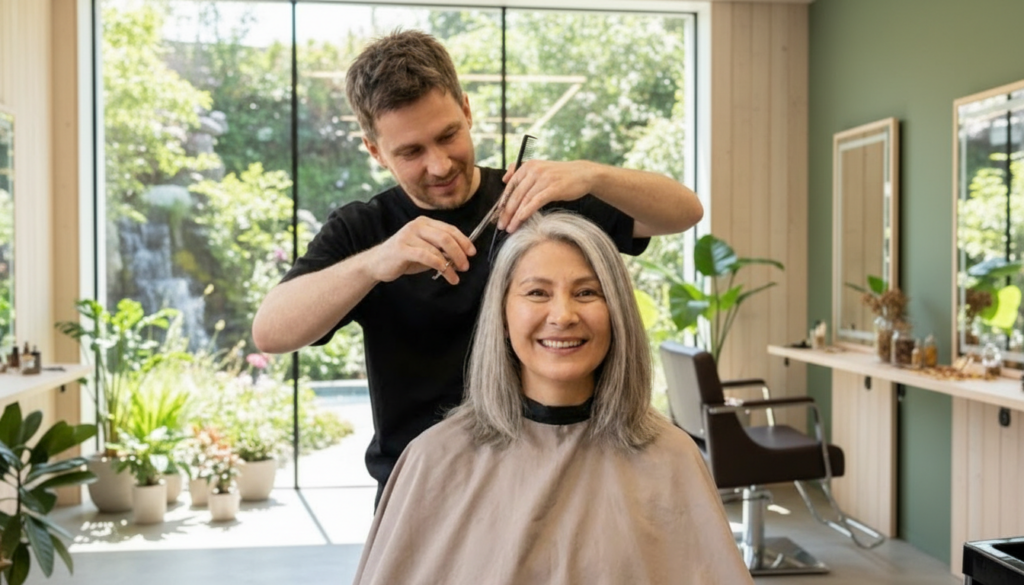
The Science Behind Grey Hair and How It Affects Your Looks
Grey hair doesn’t just happen. Each hair comes from a follicle in the scalp, where special pigment-producing cells called melanocytes add colour to the hair shaft as it grows. The colour of your hair is mostly determined by this pigment, which is mostly melanin. As time goes on, things like getting older, genetics, long-term stress, and how you live your life can slow down or stop melanocyte activity. When this happens, new hair grows with less or no pigment, making it look grey or white. So, grey hair isn’t just old hair that has lost its colour; it’s actually new hair that doesn’t have any melanin.
Keratin, the protein that makes up hair, is naturally pale yellow. This tone becomes more visible as melanin fades, especially in bright light. As you get older, the sebum on your scalp decreases, which keeps your hair smooth and shiny. When your body makes less oil, your grey hair feels rougher, looks duller, and frizzes more easily. Changes in texture affect how hair bends and sits, which is why grey hair often feels wiry or out of control.

Even a few white hairs against darker hair make a sharp contrast around the face when you look at them. This contrast can make shadows, dark circles under the eyes, and fine lines stand out, which can make features look more tired. For a lot of people, changes in texture and how light reflects off of things have a bigger effect on how they look than the colour change itself.
Why people are using less and less traditional hair dye
For a long time, the best way to cover up grey hair was with permanent hair dye. Ammonia or similar chemicals in these products open the hair cuticle, which lets pigment get deep into the hair through a process called oxidation. The first time you use it, your hair may look polished, but using it again and again can make it weaker, especially if you have thin grey hair. Cuticles that are damaged can cause hair to tangle, dry out, and break, and sensitive scalps may itch or feel irritated.
Another problem is upkeep. Permanent dye makes regrowth lines that are easy to see every few weeks, so you need to go to the salon regularly. As beauty trends change, more people are choosing gentler, easier-to-care-for options that keep their natural shape instead of demanding perfection. Now, the focus is on small changes instead of full coverage.
How to Naturally Darken Your Hair: From Kitchen Remedies to Hair Treatments
As part of a softer approach, colour boosters made from plants and food are becoming more popular. These methods don’t change the structure of hair or make it lighter. Instead, they sit on the surface and slowly build up a see-through layer of colour that makes things shine more. Cocoa powder has become one of the most effective of these.
Cocoa has natural pigments and polyphenols that slowly darken light to medium brown hair over time. It softens the stark whiteness of grey hair, making it easier for hair to blend in. Cocoa doesn’t work like permanent dye; instead, it works like a tinted conditioning treatment that slowly improves colour and texture.
How Cocoa Darkens Grey Hair
Cocoa-based treatments cover the hair shaft with a soft brown veil that slowly washes away. Cocoa helps keep moisture in and smooth the cuticle when mixed with conditioners or oils. Many notice that grey hair becomes shinier, less coarse, and easier to manage with regular use. The effect is subtle, adding to the overall tone rather than covering everything up.
A Cocoa Treatment You Can Do at Home
For short to medium hair, mix one tablespoon of pure, unsweetened cocoa powder with a generous amount of lightweight, oil-free conditioner. Stir until smooth and evenly coloured.
Apply to freshly washed, towel-dried hair, focusing on visible grey areas such as temples, partings, and hairline. Use a wide-tooth comb for even distribution. Leave on for 15–20 minutes, then rinse with lukewarm water. Avoid shampooing immediately afterward, as this removes most surface pigment.

| Natural Hair Colour | Result After Cocoa Application | Recommended Usage Frequency |
|---|---|---|
| Light Brown | Visible warm tone boost, grey strands blend faster | Apply 1–2 times weekly |
| Medium Brown | Enhances richness, greys appear naturally mixed | Once per week |
| Dark Brown / Black | Adds shine with mild warmth, minimal colour shift | Every 7–10 days for gloss effect |
| Blonde | May turn patchy or dull in tone | Patch test advised or avoid use |
Can Cocoa Treatments Make You Look Younger?
Grey hair alone does not define age. Haircut, skin quality, posture, and clothing all play a role. However, high contrast between dark hair and white strands can accentuate facial shadows and fine lines. By softening this contrast, cocoa treatments help create a more balanced and rested appearance.
Younger-looking hair focuses on shine, hydration, and shape rather than complete grey coverage. Smooth, reflective hair frames the face, brightening the eyes and subtly lifting features. Reduced frizz around the face also enhances how skin looks both in person and on camera.
Where Natural Methods Are Effective—and Where They Are Not
Natural colour adjusters like cocoa, coffee, black tea, or sage work best for individuals with up to 40–50% grey who want blending rather than full coverage. These methods appeal to those who favour gradual change, warmer tones, and minimal upkeep. Dramatic shifts in one session are unlikely, as these treatments require repeated use and patience.
Even natural methods carry some risk. Cocoa may trigger reactions in sensitive individuals, making a patch test essential. Over time, build-up may occur, so occasional use of a mild clarifying shampoo helps maintain shine and lightness.
How This Trend Is Shaping Modern Beauty
The rise of cocoa and similar treatments reflects changing beauty ideals. Uniform hair colour is no longer the sole marker of youth. Blended greys, soft tints, and translucent coverage now appear in fashion and social media, promoting individuality over strict correction.
Many people now choose to soften greys without fully erasing them, combining natural tints with strategic cuts, scalp care, and nutrition. While supplements cannot reverse greying, nutrients such as omega-3s, iron, zinc, and B vitamins support healthy new hair growth.
Complementary Gentle Options
Cocoa treatments can be paired with mild methods like black tea or coffee rinses to deepen tone, or sage and rosemary infusions for subtle shading and scalp freshness. Rotating treatments prevents hair from appearing too warm or flat.
Professional guidance can help too. Colourists now specialize in grey blending using low-impact dyes alongside plant-based glosses. Maintaining results at home with cocoa or tea masks extends time between salon visits and reduces chemical stress. Testing on a small hidden section first ensures the hair responds well.