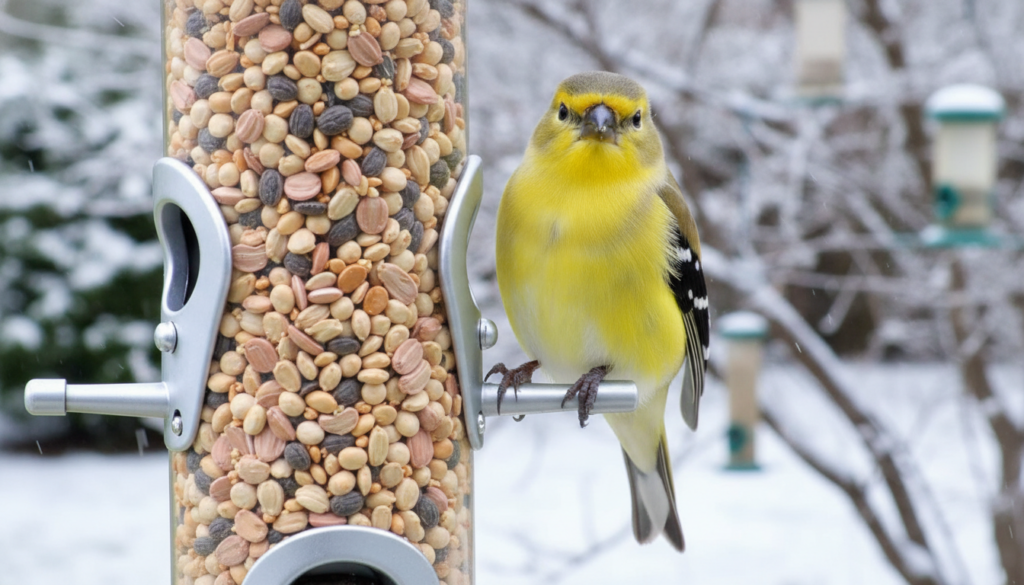
People in the UK and US are putting up seed feeders all over the place to help birds get through the winter. But that same kind gesture can quickly become dangerous if the seeds get wet, moldy, or frozen solid. A quick look at what you’re putting out can mean the difference between life and death for the people who come to your garden.
When a nice thing you do for someone else turns into a health nightmare
Giving birds food in the winter is now a common part of gardening that is good for wildlife. There are a lot of seed mixes, fat balls, and stylish feeders in stores. The instinct behind it is kind: wild birds have short days, long nights, and fewer places to find food in the wild. Gardens give them extra calories that really help them stay alive.
The problem begins when seed is left outside without thinking about the weather. Feeders can get wet from rain, sleet, wet snow, or even air that stays damp for a long time. Those neat, dry seeds won’t be what you paid for in a few hours.
When bird seed gets wet, it loses its nutritional value quickly and the risk of disease goes up.
Birds that are running low on energy need fuel that is dense and reliable. Wet seed, on the other hand, has fewer calories that your body can use and is a great place for microbes to grow. The feeder that looked nice from your kitchen window could quietly become a health risk.
Mold, bacteria, and silent outbreaks are all hidden enemies.
The real danger of wet seeds isn’t always easy to see right away. A feeder can look pretty clean, but it can already have a lot of bacteria and fungi growing on it.
Seeds begin to ferment when the air is humid. Aspergillus and other microscopic molds spread quickly over the surface. Some strains can cause a serious illness called aspergillosis, which attacks the lungs. Birds may have trouble breathing, lose weight, and die in bushes or hedges where they can’t be seen.
Then there are germs. For example, salmonella can grow in seed trays that are dirty or wet. It spreads quickly where a lot of birds gather and poop near food.
Dirty or moldy feeders can cause local disease outbreaks that kill off whole groups of sparrows or finches that visit the same gardens.
A bird that sits with its feathers fluffed up for a long time, has its eyes half closed, or doesn’t react much to movement are all signs that something is wrong. By the time these signs are clear, the damage is often already done.
Signs of trouble on your feeder
Most problems can be found early with a quick visual check every day or two. Be on the lookout for:
Seeds that are darkened, clumped, or slimy; a sour or musty smell when you open the feeder; or green, white, or black fuzz on the seeds or feeder surfaces
lots of seeds that haven’t been eaten sitting in a wet tray
If you see any of these, take the feeder apart, throw away the food, and clean everything well before filling it again.
Frozen blocks: when your feeder stops being a useful workout
There is a second, less obvious trap that comes with cold snaps. After a lot of rain or drizzle, the temperature can drop quickly at night. The seed freezes solid once it has taken in any moisture.
The end result is a block of food that looks big from a distance but is very hard to use.
Pecking at frozen seed blocks is like trying to eat concrete for dinner for a tiny bird that is burning energy just to stay warm.
Birds may waste valuable time pecking at solid lumps and getting almost nothing in return. That work that went to waste costs something. In one night of freezing weather, a blue tit can lose up to 10% of its body weight. If it can’t get enough calories the next day, it might not make it through the next cold spell.
Picking the right kit to keep food dry
The feeder itself is the first step in stopping moisture problems. Some designs do a much better job of keeping out rain and moisture than others.
Why silo feeders are better than open trays
Metal or strong plastic silo or tube feeders usually do a better job of protecting seed than open platforms. The main benefits of them are:
only a small amount of surface area is exposed to the air
small feeding ports that let water out and keep bird droppings from getting on the food better
Open trays and flat tables are still useful, especially for birds that eat on the ground, like juncos and dunnocks. But in the winter, when it’s wet, they need more attention, less food, and cleaning more often.
Placement is just as important as design.
The way you hang the feeder affects how wet it gets. Small changes can make a big difference in how much moisture there is:

Choose a place that is protected from the wind and rain that comes from the south.
Put feeders near thick shrubs or hedges that break the wind (while still being able to see cats well) and use the overhang of a roof, porch, or balcony to keep most of the rain off.
put a simple rain hood or dome over open feeders
A feeder that is hung in the right place will often stay dry longer than one that is more expensive and hung in the wrong place.
Daily habits that make feeding in the winter safe
Small changes to your daily routine can make a big difference in the safety of birds and the quality of their food.
Give small amounts of food often.
It’s easy to want to fill feeders too full, especially before a busy week. But big piles of seed sit around for days, soaking up water and getting poop on them. A better way is to add a little more often.
Type of feeder Pattern for refilling suggested
- Feeder with a small tube Fill for about a day of use and check every day.
- Open the tray or table Give out only one day’s worth of food, and clean up the leftovers every night.
- Fat balls or suet blocks Hang one or two at a time, and change them out when they are almost gone or after a few days of heavy rain.
- Cleaning: the boring step that saves lives
- Cleaning your home regularly is one of the best ways to keep yourself from getting sick.
At least once a week, empty and scrub the feeders with hot water and a mild disinfectant. Then, rinse them well and let them dry completely before filling them again.
To keep droppings from building up in one spot, move the feeding station a little bit every few weeks.
Cleaning the feeder is just as important as giving the birds fresh water and good seed.
Choosing the right food for rainy weather
In the rain, not all foods act the same way. Some get mushy and moldy quickly, while others can handle being wet for longer.
Better options when it rains
Suet blocks or fat balls of good quality last longer in light rain and give you a lot of calories without the risk of mold.
Peanuts in mesh feeders can handle light rain, but they still need to be checked and should never be salted or flavored.
Black sunflower seeds are high in oil and energy, but they need to be kept very dry and used up quickly.
When you buy mixed seed for a very low price, it usually has a lot of filler grains that birds don’t eat. These leftovers are exactly what sit around, get wet, and begin to rot. Birds and feeders are healthier and cleaner when you spend a little more on mixes that don’t have bulking agents.
Making your garden feed birds on its own, without feeders
Feeders are only one part of winter help. A garden that has natural food sources takes some of the pressure off of any one feeder and keeps birds looking for food all over.
Birds can eat berries from shrubs like hawthorn, holly, pyracantha, or dogwood that protect them from the weather. Instead of cutting everything back in the fall, leave some seed heads on perennials. This gives finches and sparrows more places to look for food.
A mix of feeders and natural food helps birds spread their risk and lowers the chance of disease spreading at crowded feeding stations.
Common questions and situations
What will happen if I leave for a week?
Birds change their routes quickly. Every day, they go to several gardens and wild areas. Don’t fill feeders too much ahead of time if you plan to be gone. That just makes a pile of old food. Instead, let the feeders empty on their own before you go. Birds will move to other places and come back when your garden station is working again.
If I see sick birds, should I stop feeding them?
If you see a lot of sick birds, stop feeding them in that area for at least two weeks and clean all of your equipment very well. This break stops the spread of disease and makes things less crowded. Adding shrubs, leaf litter, and seed heads to natural cover and food during this time is still good for birds, but it doesn’t keep them all in one place.
Important words for taking care of birds in the winter
You should know two phrases that vets and conservation groups use a lot:
Cross-contamination happens when droppings or saliva with germs move from one bird to another through surfaces that both birds use, like perches, trays, or seed husks.
Carrying capacity is the number of birds that a small area can hold without getting too crowded, running out of food, or getting sick. Sensible feeding stays within those limits instead of cramming more and more birds into a small part of a garden.
To keep your winter feeding safe, you don’t need to buy more stuff. Instead, you need to keep an eye on things, make quick changes, and treat your feeders like they’re part of a living, changing system. Taking a few extra minutes to check that the seeds are dry, loose, and fresh can really help your winter visitors stay alive until spring.